The Small Wall and Ein Handaq
הכותל הקטן ועין חנדק
About
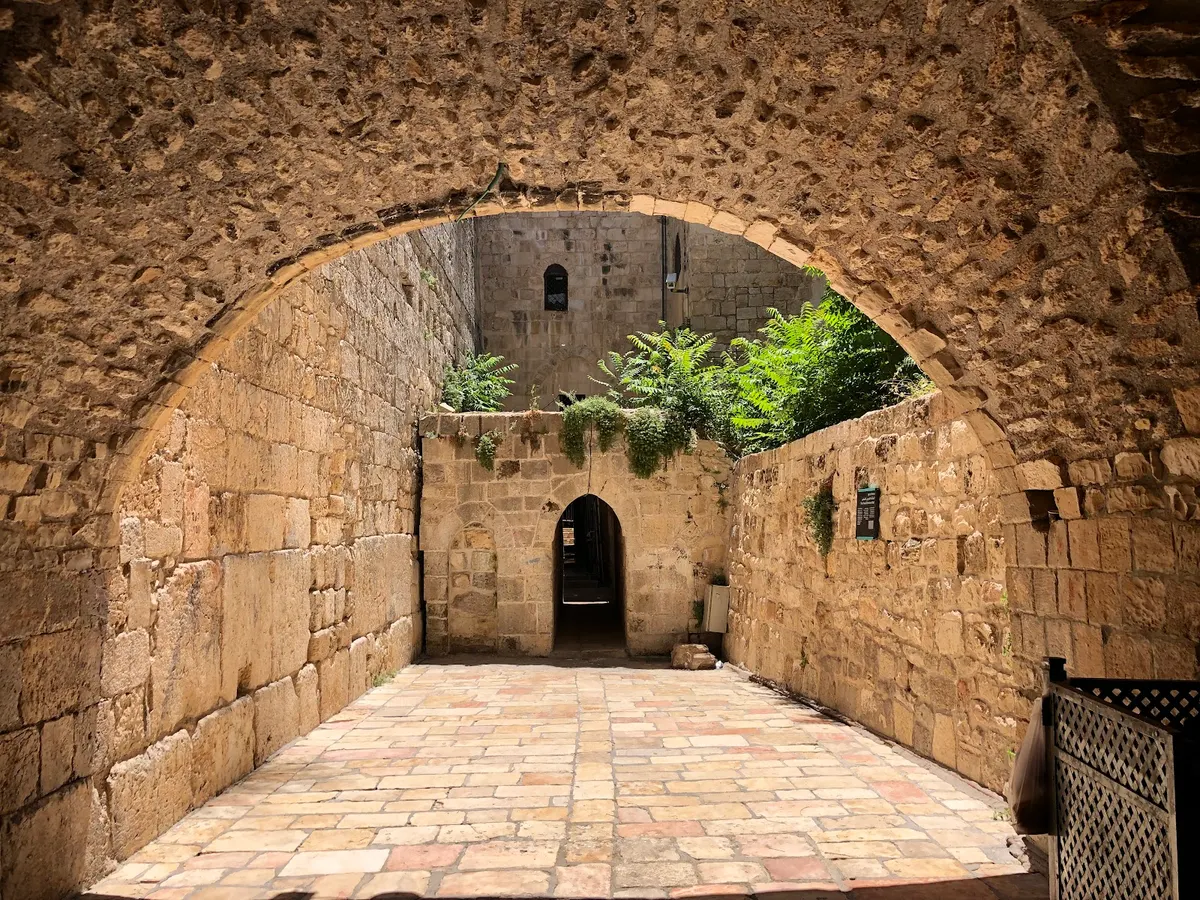
All the information about the Small Wall and Ein Handaq: a short trip in the springs of Jerusalem (4–5 km) and mostly shaded. The hike starts at Ein Handaq (it's recommended to park your car at Even Sapir). The place is full of water and many figs on the trees around. From there, continue on the Israel Trail northbound, descend to Nahal Shoresh, and there is a beautiful spot to stop right after the descent into the wadi; you can see a large dam that was built in the area. It's recommended to sit in the shade of the trees next to the dam. Continue hiking on the Israel Trail along Nahal Shoresh until the ascent to Einot Satf (green trail—relatively steep ascent). It's recommended to bring food and eat under the trees next to the large spring. There are many ruins and agricultural gardens at the site. Observant Jews can continue from Satf to climb to Har Eitan for a viewpoint (highly recommended). Before reaching the viewpoint there is a gate—if there is a sign that says "No entry"—and at the T-junction turn left. Go another 1.5 km and you can find, on the right side, a small water cistern with cool water after the ascent. In the forest, a few minutes' drive from Ein Kerem, there is a impressive and hidden Small Wall. The large stone wall in Wadi Handaq, also called "Wadi Yousuf," got the name "Small Wall" due to its structure, the shape of the stones that make it up, and the fact that it is simply impressive. The "wall" served as a retaining wall and a dam to prevent soil erosion, in order to create an efficient area for agriculture. Different building periods have been attributed to the Small Wall, and some researchers suggested that it was built in the days of Herod (the Second Temple period). Therefore, the similarity between its construction style and that of the Western Wall is not coincidental. The area itself is beautiful and full of attractions. Further along the wadi, on the green route toward Even Sapir, a few minutes' walk separate the "Small Wall" from the spring of "Ein Handaq." Warning about the spring: recently, the levels of garbage in the area around the spring have been quite frightening. Also in the area: the Hadasa Trail—organized walking routes between the green paths throughout the Ein Kerem Hospital area (Hadassah Ein Kerem). Another story about the wadi in the early 1930s: the main roads to Jerusalem at the time were evidence of a frightening abduction/terror campaign by Abu Jildah—the famous highwayman of the area. Abu Jildah's gang of lawless men was lying in wait for travelers on the roads and robbing them. Abu Jildah intimidated the entire area, and in May 1933, after an ambush and robbery by his gang in Wadi Handaq, two policemen arrived at the place. Abu Jildah then murdered one of them when the policeman was not armed. This led to chases after him, and after less than a year he was captured, taken to trial, and sentenced to death by hanging. The name "Abu Jildah" became a byword for a criminal, a highway robber, a pirate, and also a derogatory term in politics; it became a basis for songs and a myth among the Arab public. For the full hiking route in the springs of the Heights of Jerusalem >>
Tags
More activities in Jérusalem

Need help planning your activities?
Our French-speaking team helps you plan your stay in Israel, with personal advice, reservations and transfers.