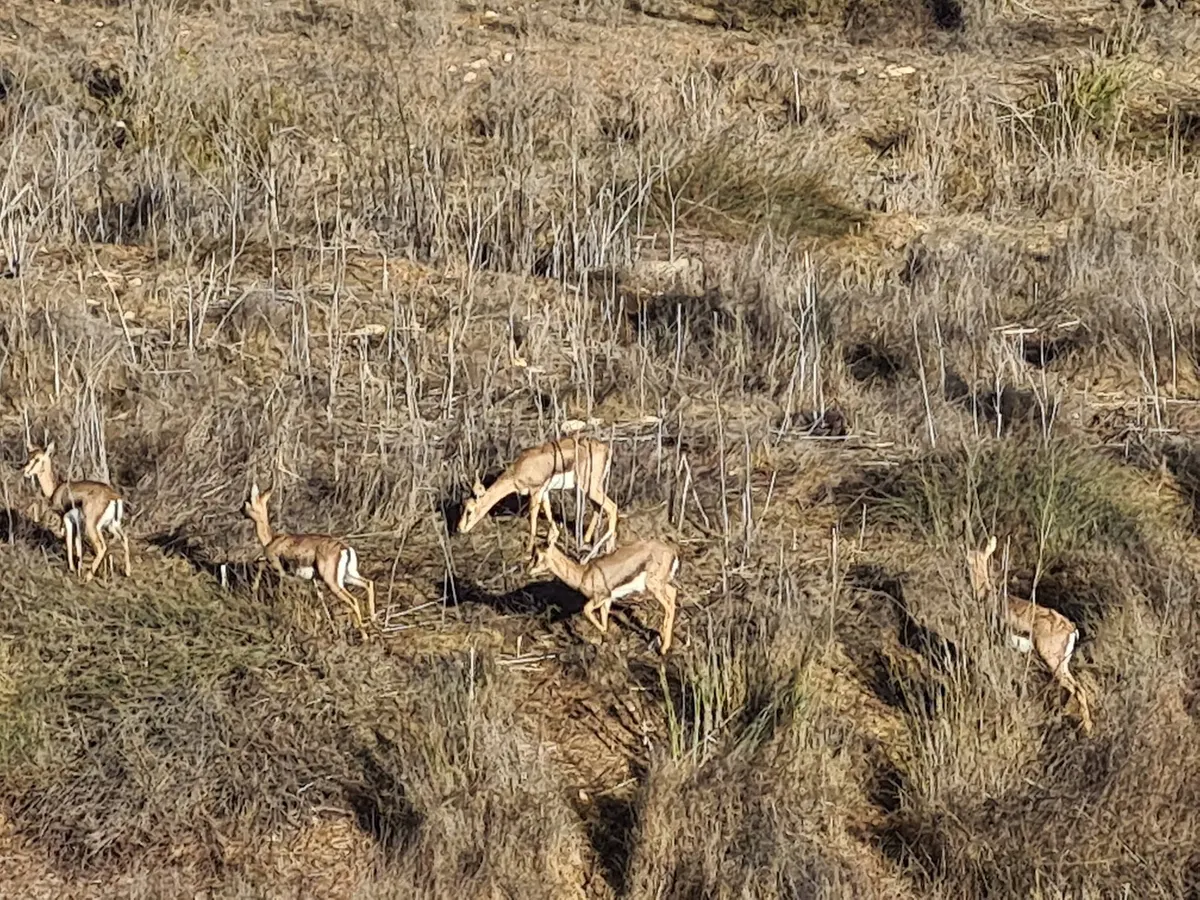
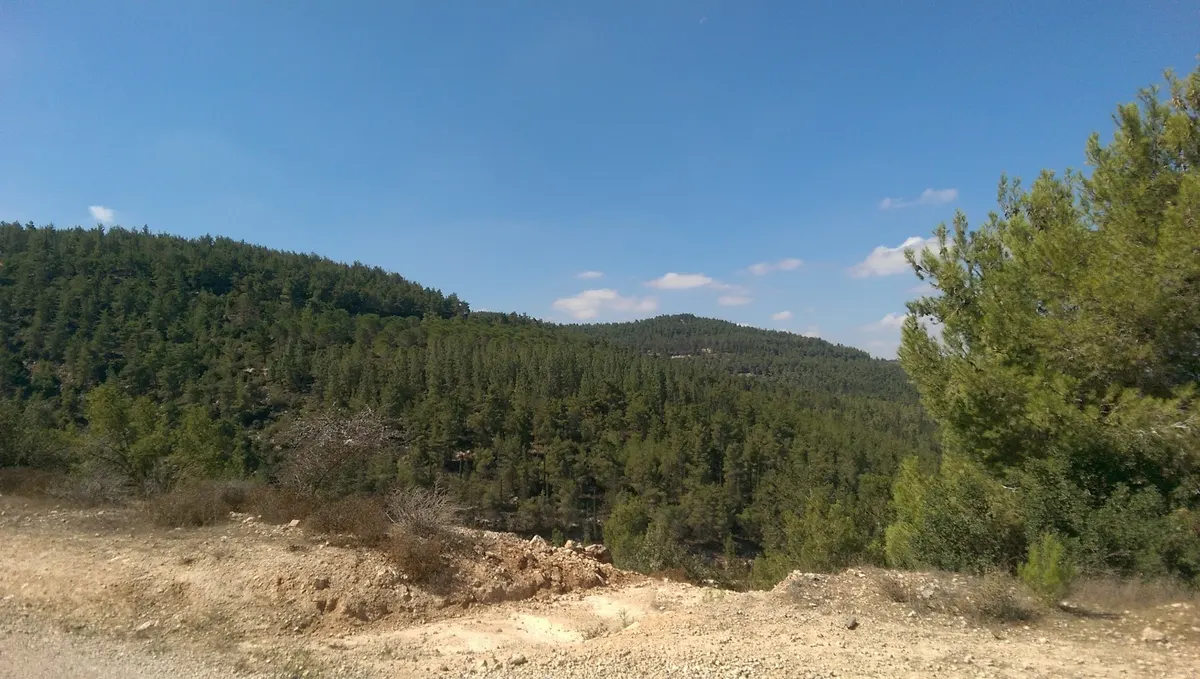
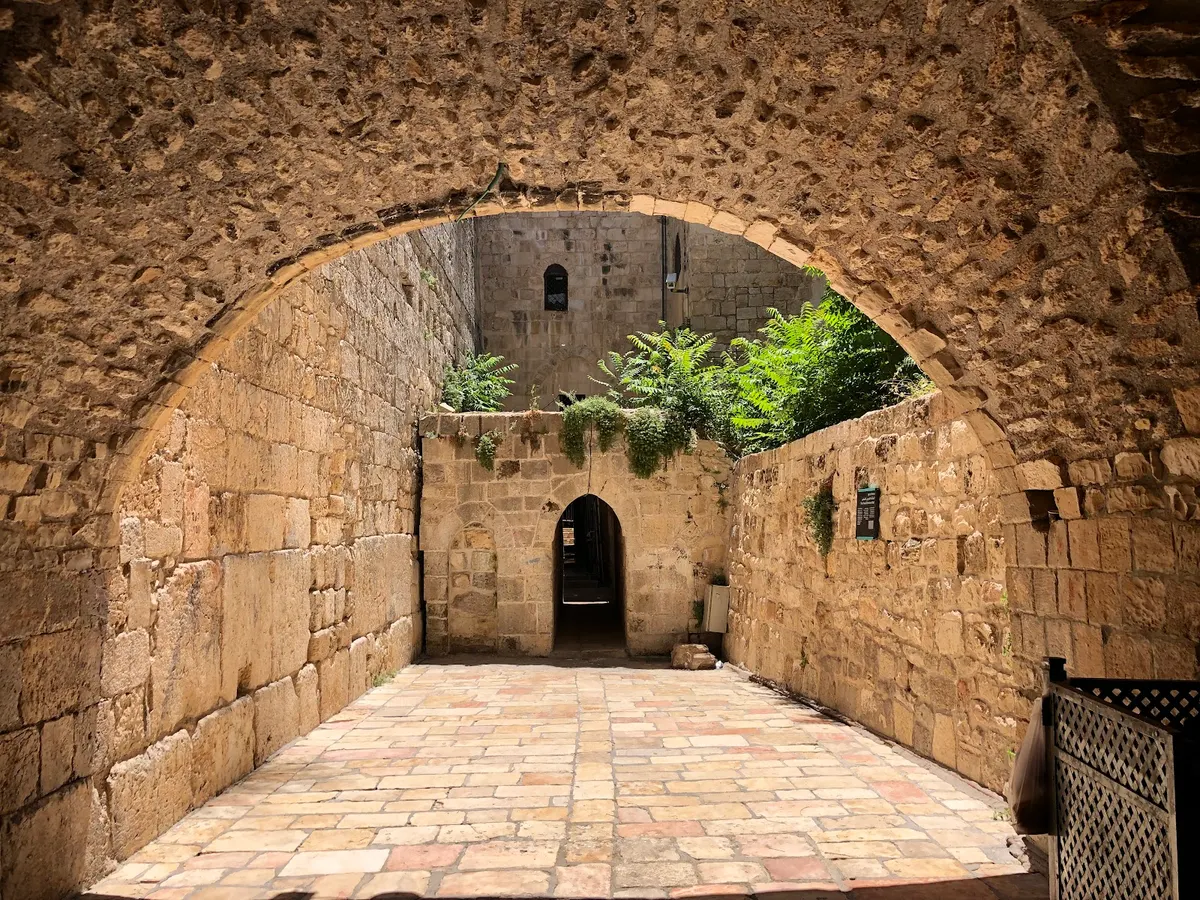
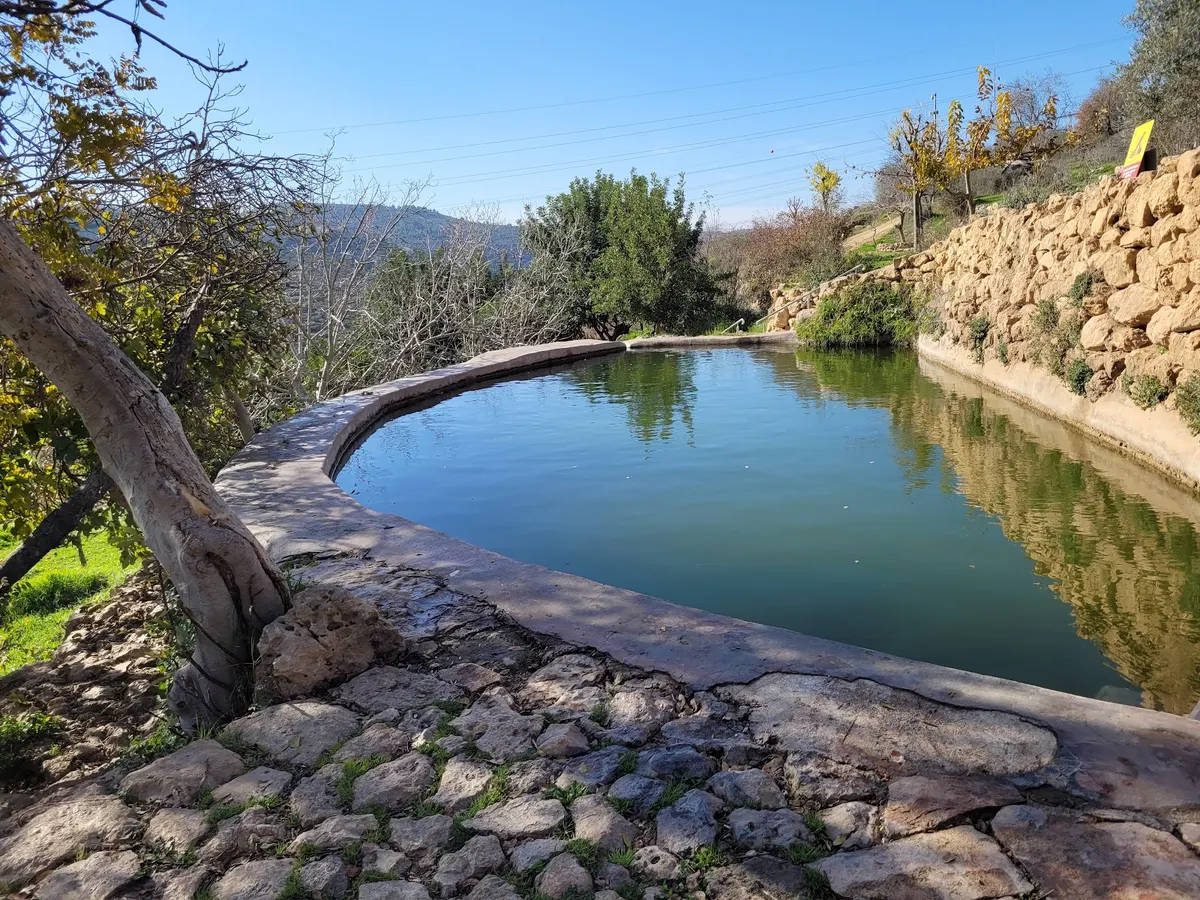
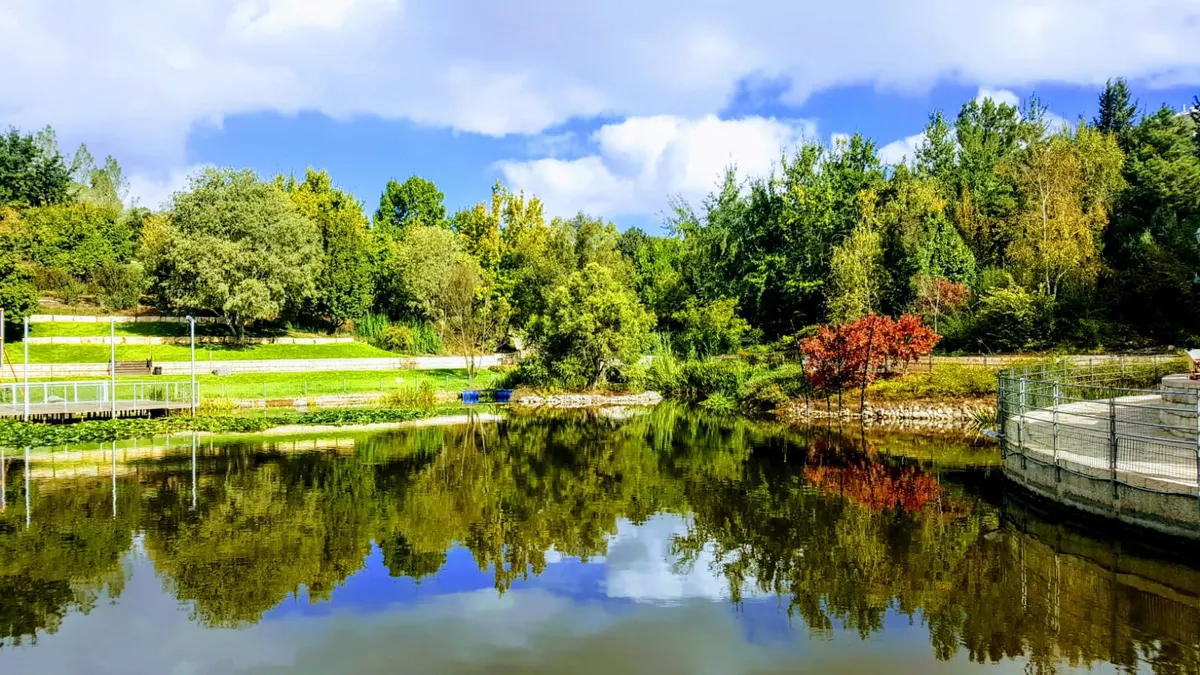
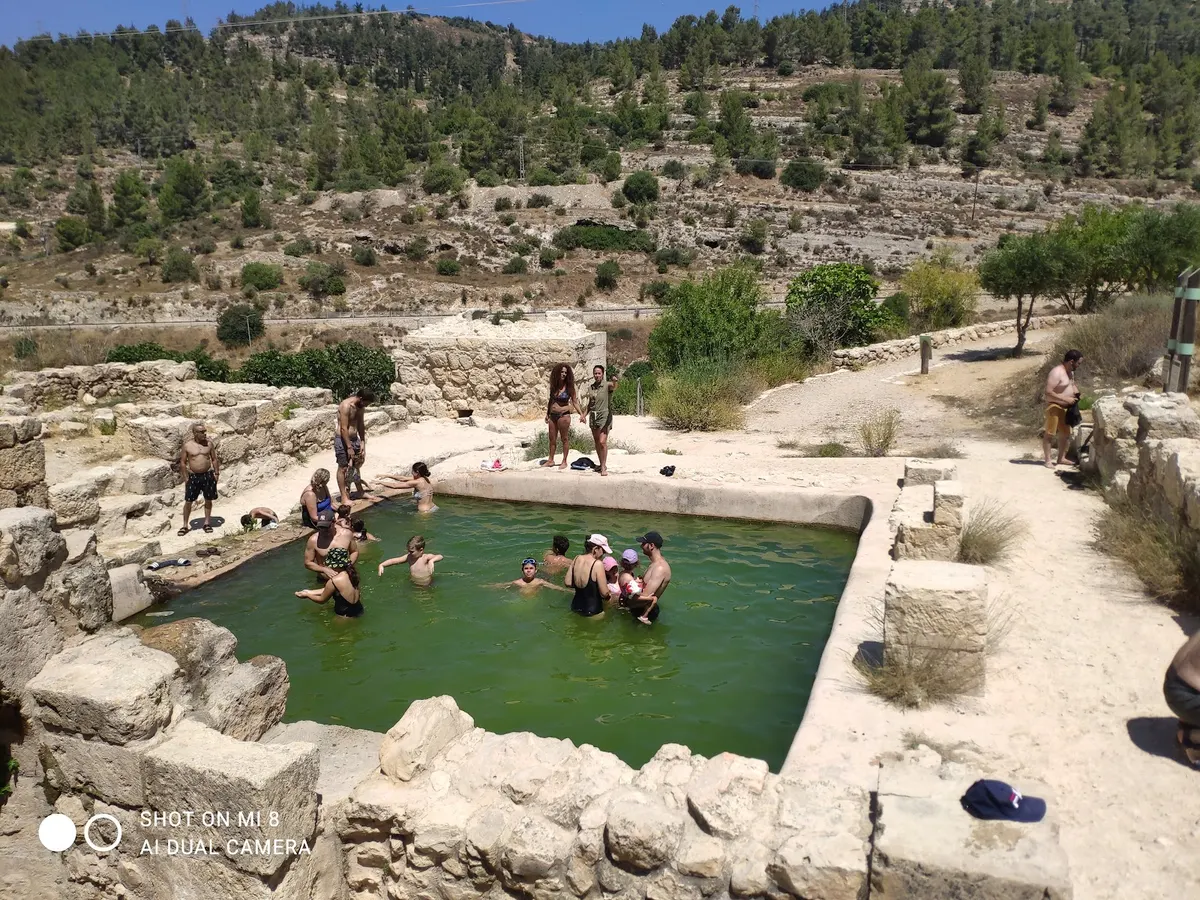
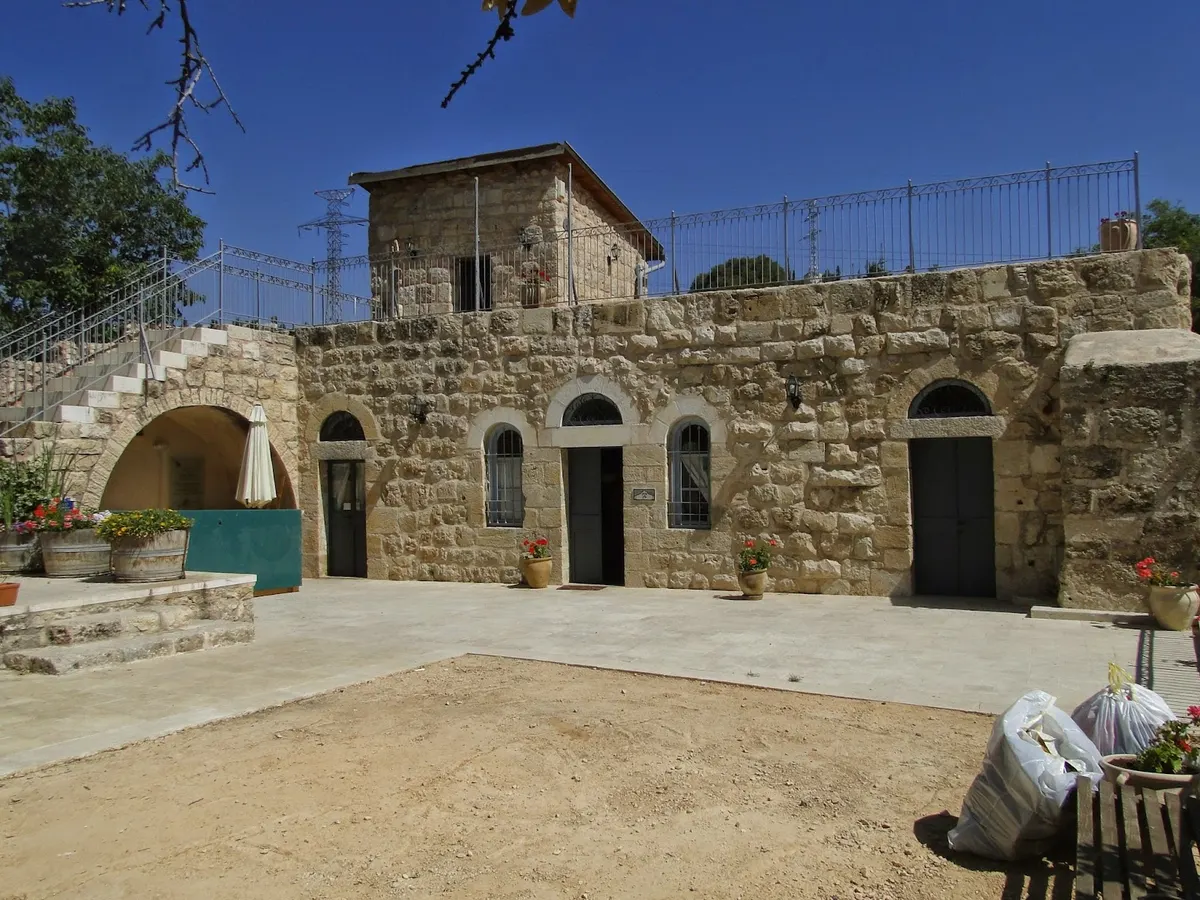
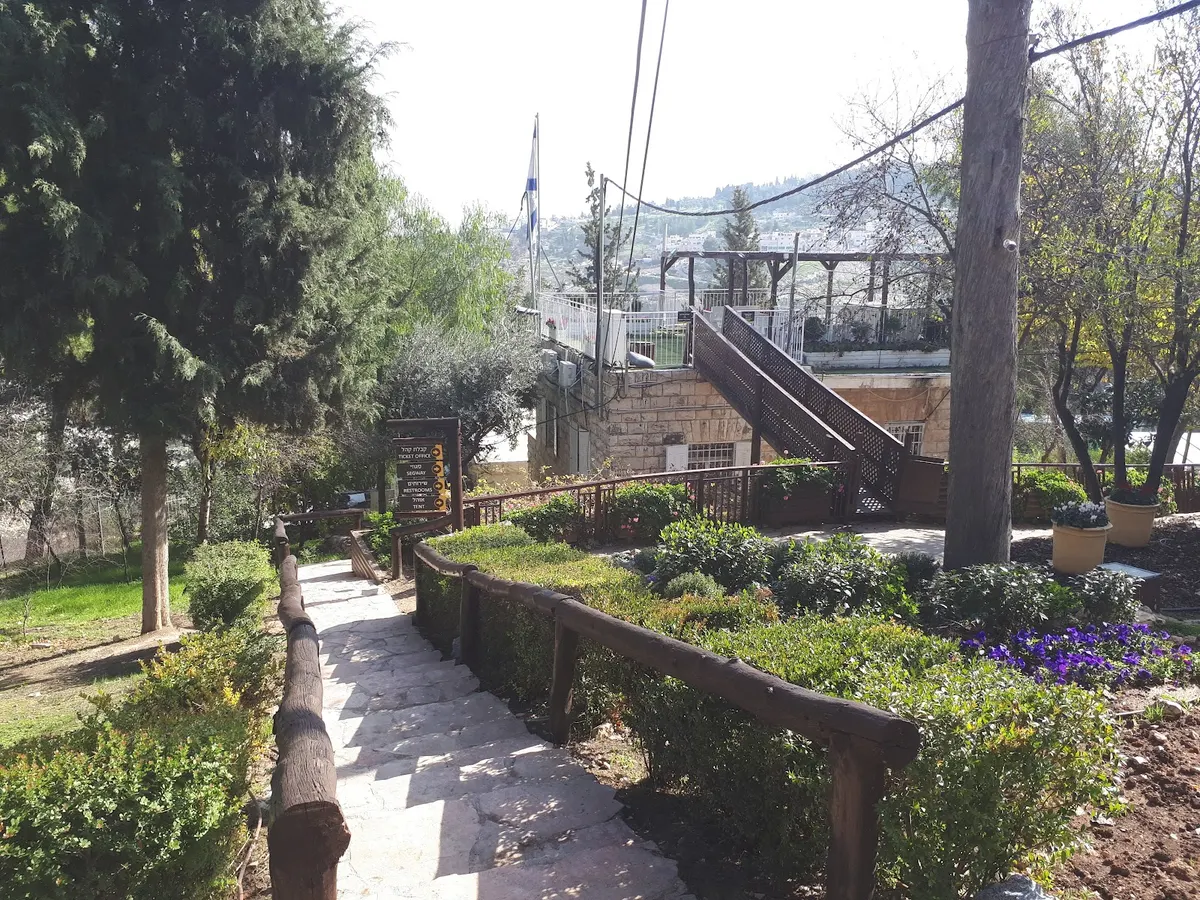
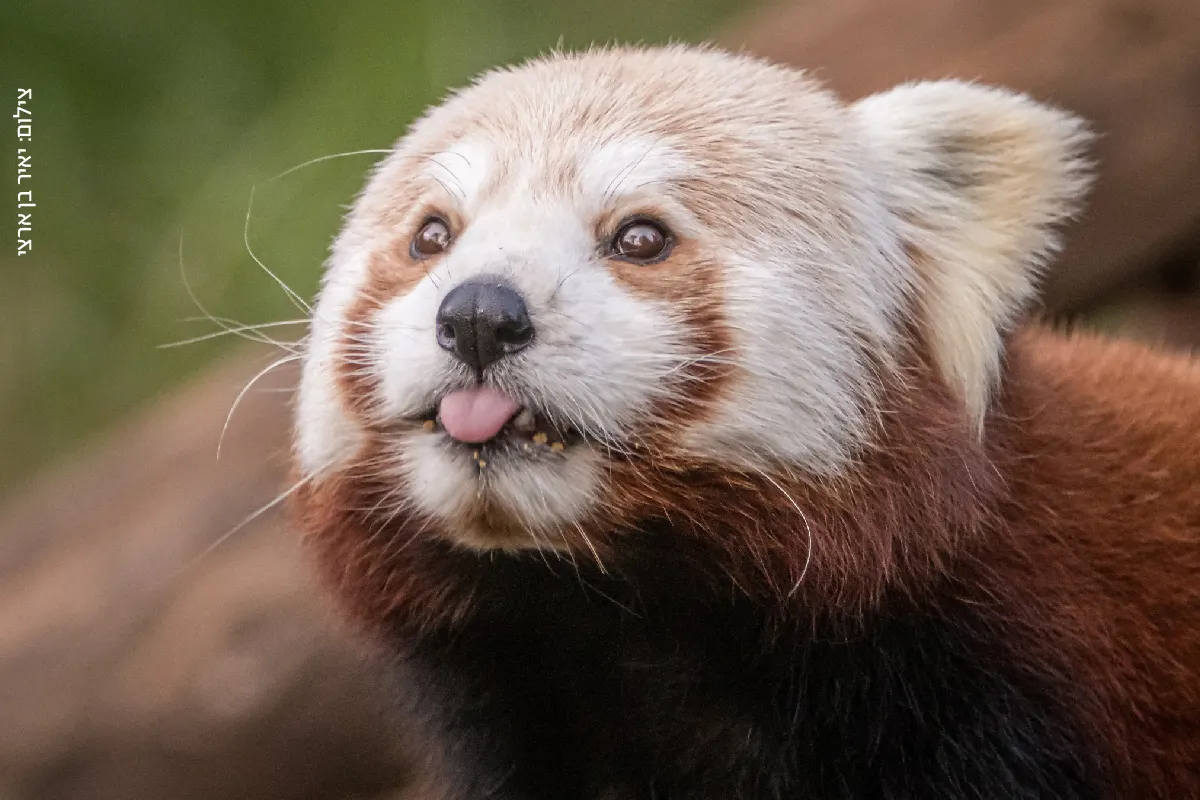
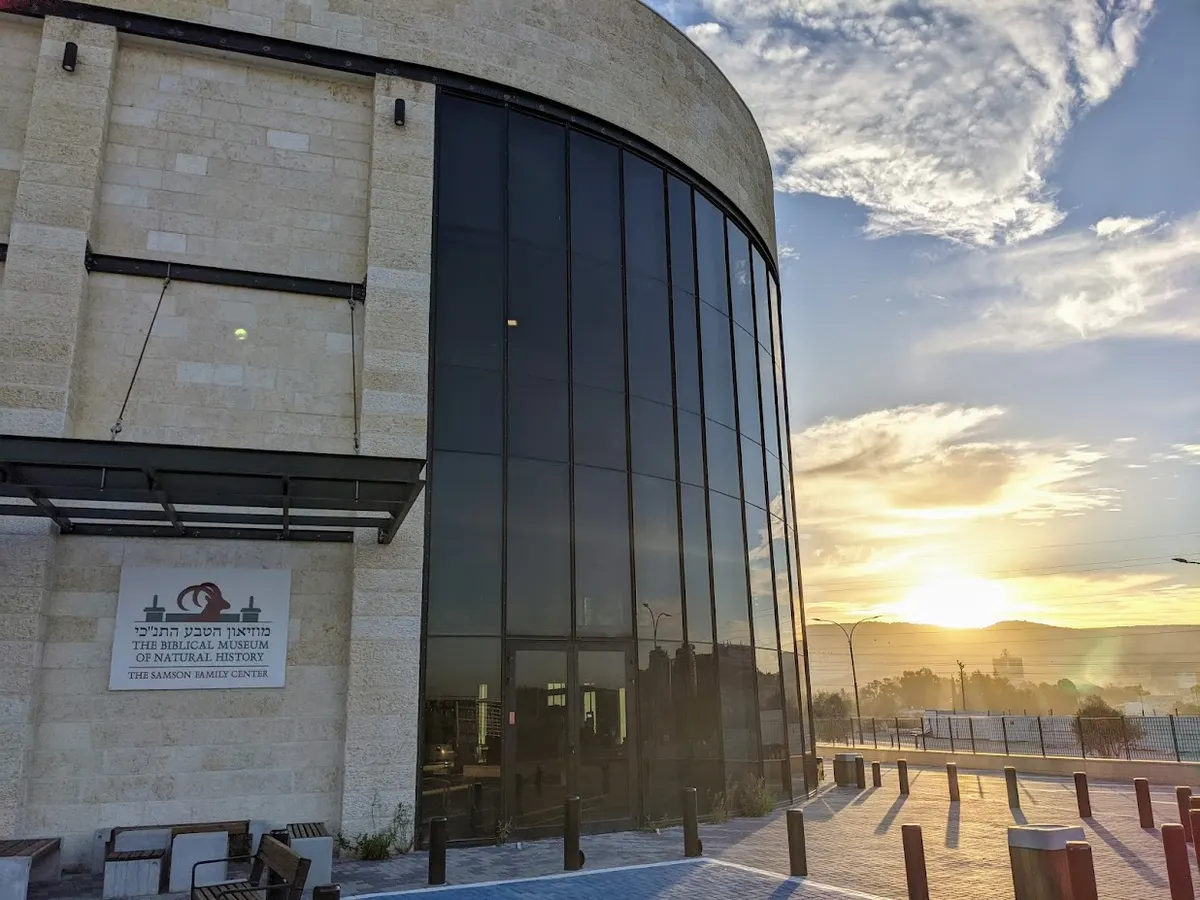
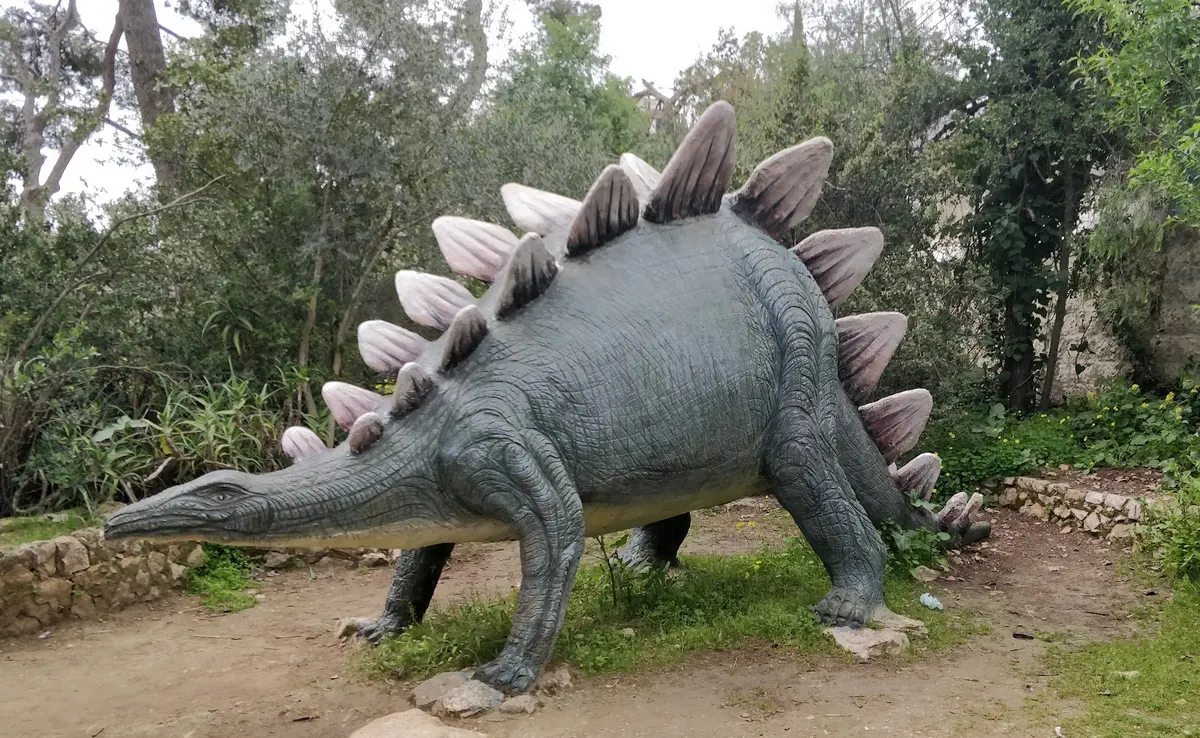
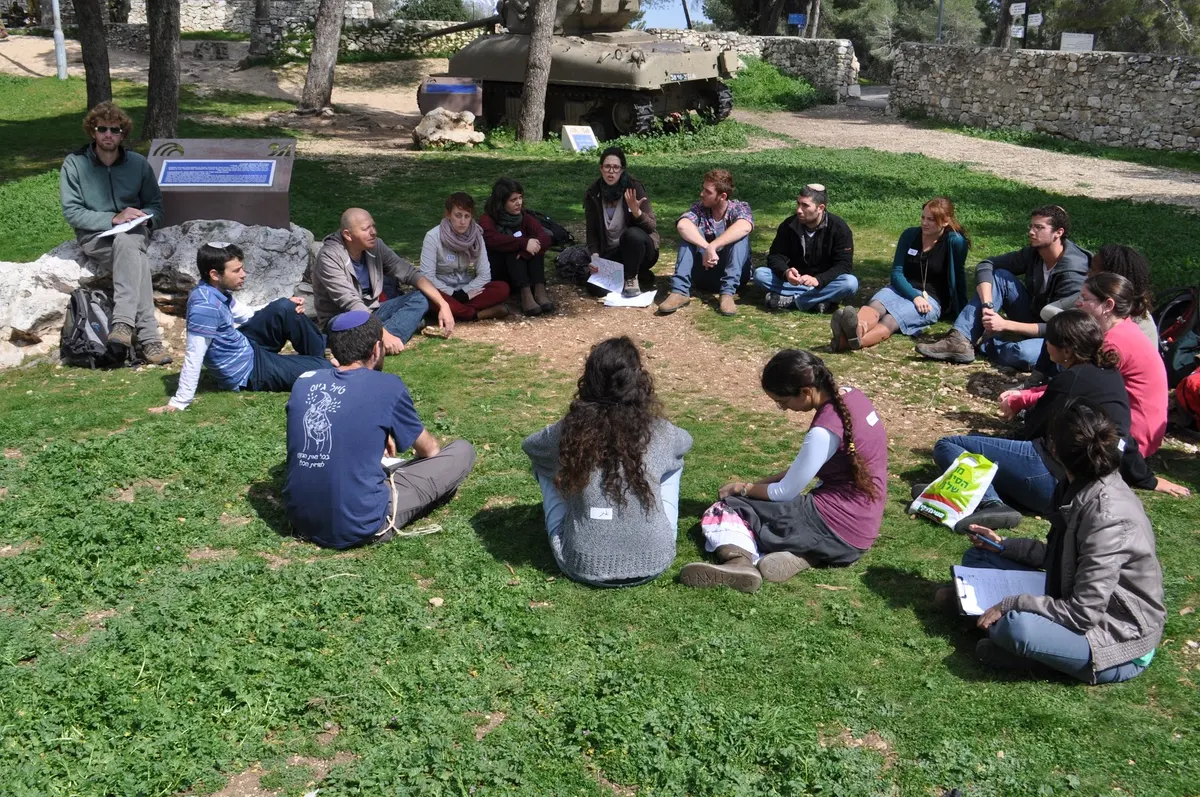
All the information about Deer Valley in the Jerusalem Parks: about a hundred deer, in addition to a wide variety of mammals, birds, and other birds of prey—some of them endangered species. You're invited to come, stroll around, and see animals living in conditions very close to life in the wild—all in the middle of the city. Of course, don't feed them and don't disturb them. For all species of animals and plants, each plays a central role in a unique ecosystem; harming any of them can have consequences for the entire habitat. The park has several walking routes: a short, accessible route to the lake and back, and longer routes, some unpaved, within the woodland. There are also observation hides offering views over the valley's areas, the lake, and secluded corners, with comfortable chairs for sitting and enjoying nature. The history of the site is that of a pastoral valley: in the past, a small herd of deer lived there, enjoying open land that connected to Nahal Refaim and freedom without boundaries. In 1993, when Route Begin was laid, the connection with the stream was cut off and the herd was trapped in the area between the neighborhoods and the roads, and its condition worsened over time. The herd suffered from the chaos, its numbers thinned, and if that weren't enough, a plan for residential buildings in the place could have sealed its fate. This story had a happy ending: residents and caring nature lovers fought against the building plans and for the preservation of nature, achieving unprecedented results. The plans were canceled, the area was fenced, and the herd was saved. For the first time in the country, a nature park was planned in partnership with the public. In 2015, the valley was opened to the general public and became a protected home for the deer. In the beautiful valley, a rich and impressive natural ecosystem developed. Alongside the herd that grew from a small number to several tens (about 80 as of 2021), the undisturbed area became a habitat for all sorts of animals such as insects, reptiles, and birds—some rare—as well as thriving natural vegetation and species of flowers that add to the park's beauty. Visitors can enjoy the abundance and, of course, watch the deer up close as they hop, play, sometimes fight, pause, and observe hikers from a distance. What else does the park do? It also preserves ancient agricultural landscapes, and features a variety of terraces, orchards, and old agricultural facilities. There is also a closed water system operating there. Two stream channels pass through the valley: Nahal Rekafot and Nahal Rachvia. Rain runoff is collected by dams, which created retention pools and, downstream, an inlet basin. The water is pumped from the lake and returned to the beginning of the channel. In every season, the face of the park changes, and anyone who visits quickly forgets that this is a small piece of heaven in the heart of Israel's capital and feels as if they're taking a walk in nature. The park is full of charming spots and, alongside water pools, includes hides for observing and photographing birds. The site also includes a shelter for land tortoises, whose purpose is to rehabilitate injured tortoises or those that were kept, illegally, in captivity by the public. The tortoises are treated and, depending on their condition, returned to the wild. The park's success is reflected in many ways. It is one of Jerusalem's most popular travel destinations, offering plenty of activities all year round. The visitors' center is at the guests' disposal, and every weekend there are guided tours, activities, tours, and stories. Independent families can tour with an activity kit, and can borrow binoculars and field guides—free of charge. The deer herd continues to thrive, and in the summer of 2021, several deer were released in the Golan Heights, and the herd continues to multiply. In the park's vision, it is written that it is a "community urban nature park," and this is why, to this day, there is extensive resident involvement in operating the park. The site is managed by the Society for the Protection of Nature in a community-integration model, and therefore abounds with volunteer social activity. Alongside the integration of populations with special needs, there is a permanent staff and dozens of volunteers engaged in a wide range of activities—from cleaning to tours, workshops, and educational activities, and more. The staff is accompanied by an action committee that supported the struggle and remains involved to this day in planning/administrative decisions, as well as a public council dealing with various issues such as development, education, budgets, and more. The park continues to develop and grow for the benefit of visitors, and at every visit you can discover something new. The site is open during daylight hours, and in darkness it returns to the care of the wildlife. There is a small parking area, and access is also available by public transportation. The park includes seating areas, walking and hiking trails, and it is accessible for wheelchairs and strollers. Useful information: The park is open every day of the week, from sunrise to sunset. Visitors' center hours: 9:00-17:00. Entry is free. The routes are paved and accessible, so you can stroll comfortably with baby strollers and wheelchairs. On holidays, there are guided tours and family activities. Lighting fires in the park is prohibited. Dogs are not allowed in the park.
נקודות עניין נקודת חן בטבע בירושליםנקודות עניין נקודת חן בטבענקודות עניין: טבענקודות עניין: משפחתי
 🥾 Excursions